Good things come in Threes for Catholic Formation: Executive Officer’s Report July 2025
Three huge Catholic formation events in just one month!
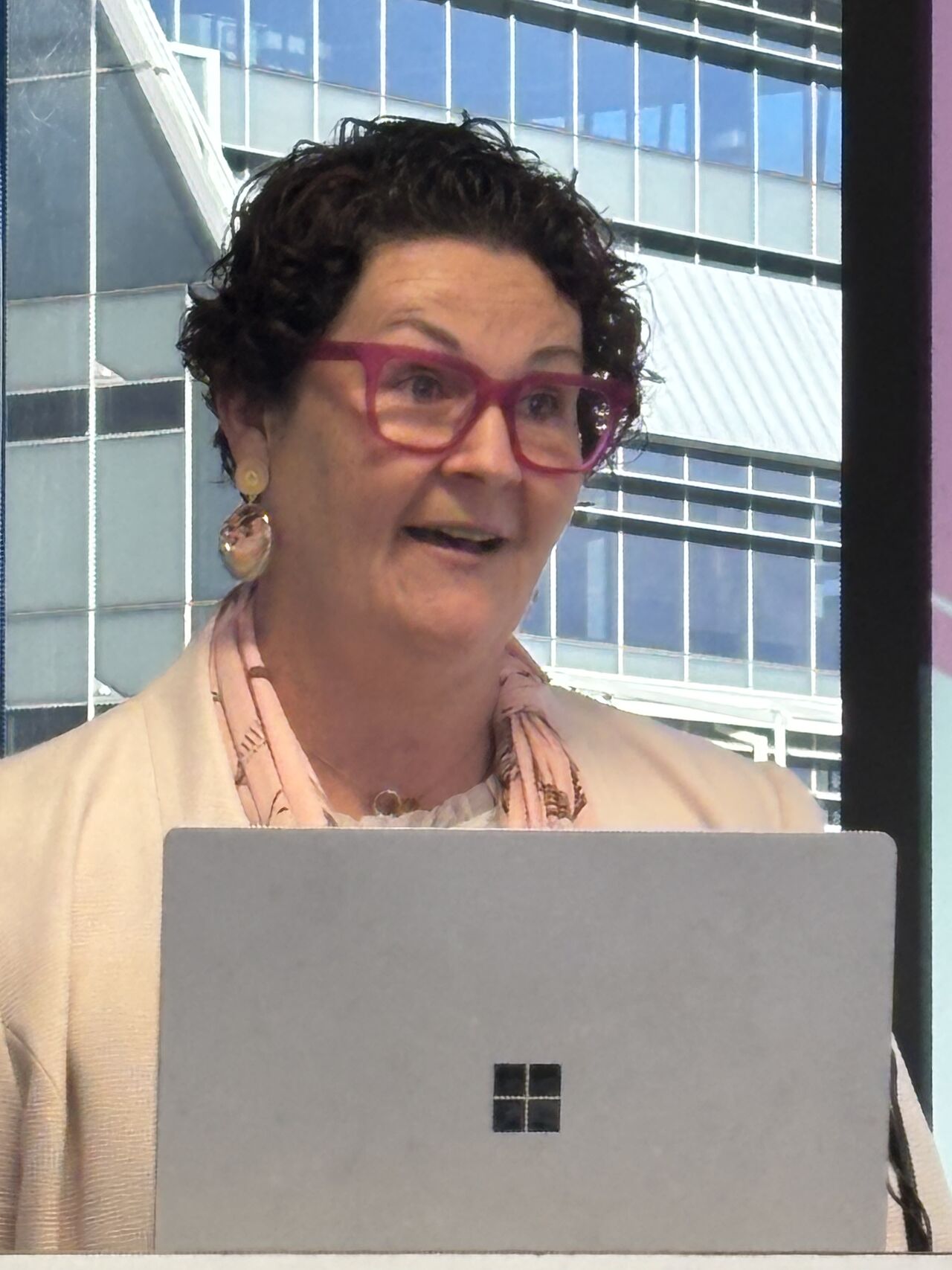 I was fortunate to attend a NAIDOC Week celebration which was also the first public event of the new formation.org.au. This organisation is an association for those involved in leading formation in every sector of the Church.
The Director, Lana Turvey-Collins gave an outline to the AMPJP Formation Committee, As a member, AMPJP is wishing L ana Turvey-Collins (left) and the team all the best for this wonderful new venture.
ACU’s AMPJP-endorsed Governance Ministry Leadership Program had its pilot run at the stunning Manly Q station overlooking Sydney Harbour. I was lucky to participate in three days of theology, formation and discussion. It was a very positive experience, to be followed by some online sessions and another three day seminar in November. Next year’s is likely to be in Melbourne.
Yet a third launch was for the Catholic Leadership Foundation, which supports and mentors emerging leaders in the Church to gr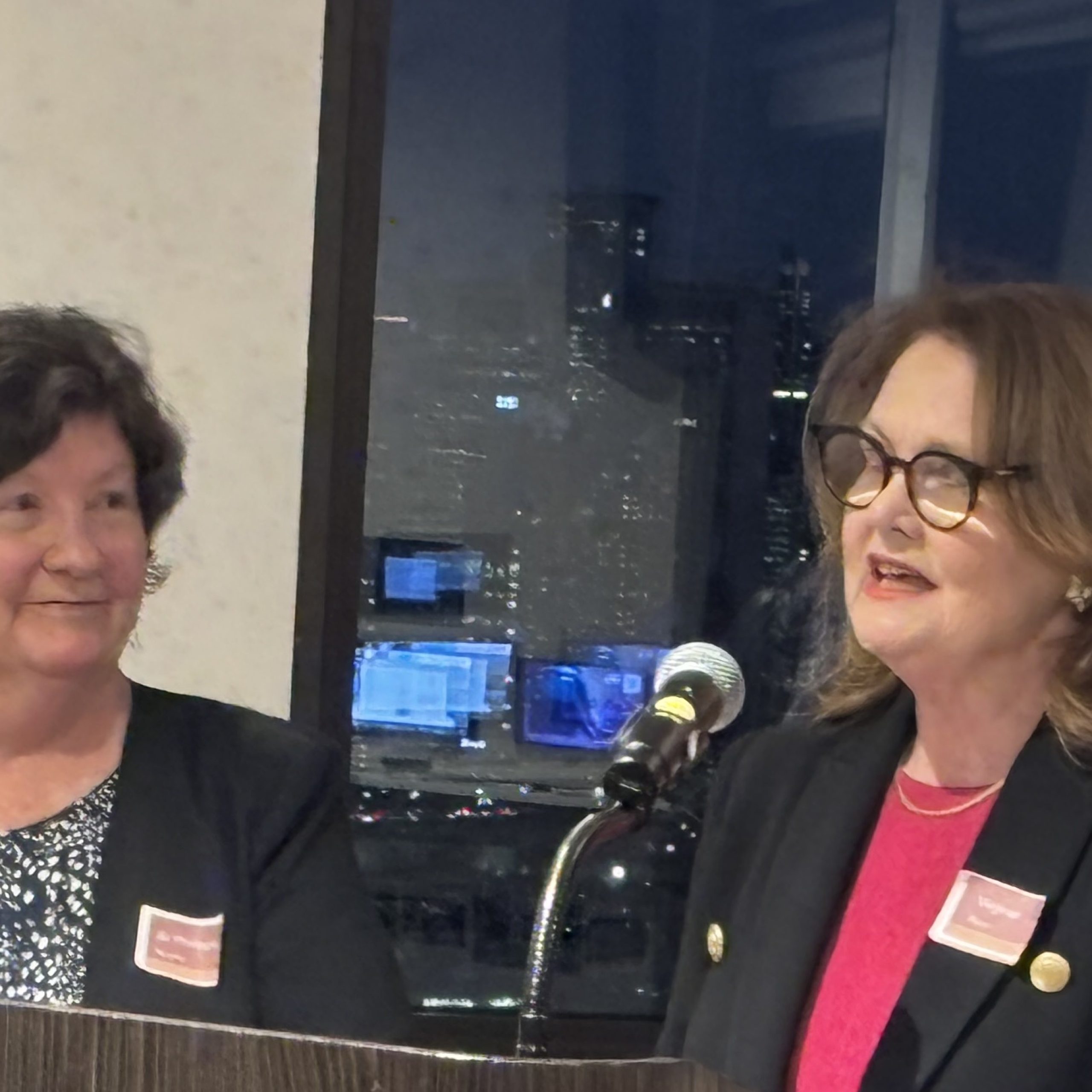 ow in their faith and leadership skills.
A number of MPJP team members have been selected in the class of 50 for this year’s program, including Mercy Partners Trustee Cath Parker. OLSH Provincial Sr Philippa Murphy, whose Order funds the Foundation with Foundation CEO Virginia Ryan (my wife).
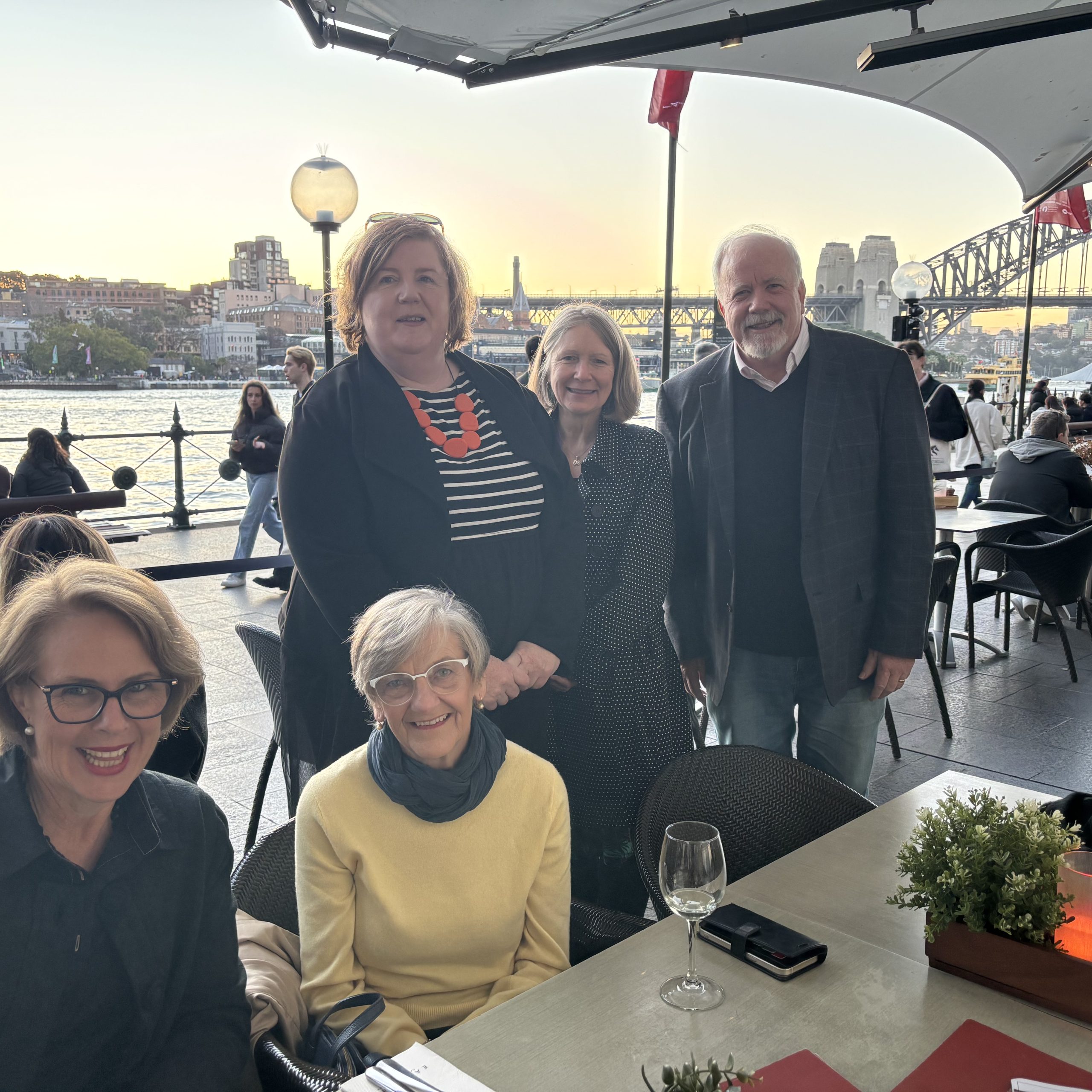
Building Christian Community in the shadow of the Sydney Harbour Bridge
After building Christian communities with Trustee Wisdom Circles, we did something similar at a gathering of NSW-based Executive Officers at Circular Quay in Sydney. Though we are in the world of Zoom and Teams meetings, it is just so wonderful to catch up in person, and talk about each other’s backgrounds, families, funny stories, and inevitably a little about church and our work.
It was great to welcome Jamieson Davies (Jamie), the new Executive Officer of Mary Aikenhead Ministries (second from right), and to also see her predecessor Marita Winters, who has moved on to Catholic Schools NSW, Edwina MacArthur of Calvary Ministries and the hilarious Mel Keating of Sophia Ministries whose Irish story-telling brought the gathering to life.
Three great Reasons to come to Cairns this August
There will be some huge launches at next month’s AMPJP Forum held in conjunction with the Australian Catholic Education Conference..
Dr Ruth Powell will launch the Canonical Stewards Survey Report 2025. A fascinating read!
Assoc Professor Jamie Calder SJ will share the recently finalised Called by Love, Called to the Service of Stewardship: Theological Foundations of Lay Ecclesial Leadership in Ministerial Public Juridic Persons.
And finally Susan Pascoe will launch the final report of the Inclusive Governance in a Synodal Church Report on MPJPs around the Anglo-speaking world.
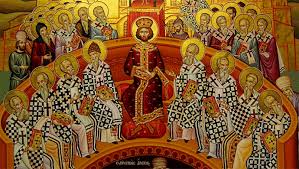
Key moments of Lay power and influence in Church history
The 1700th anniversary of the First Council of Nicaea was commemorated on May 20, 2025, the date marking its opening. This Council, convened by Emperor Constantine (pictured, centre) in Nicaea (modern-day İznik, Turkey), was the first ecumenical assembly of the Christian Church. It was unique in that Constantine, a layperson, initiated it, aiming to resolve pressing theological disputes such as the nature of Jesus as God and determining the date of Easter.
Many rulers of European countries appointed or at least nominated bishops during the Middle Ages. This” lay investiture” was not appreciated by most Popes, but they often had to compromise with the secular rulers. There are some parallels to the situation of the Church with China today, where the Church has felt it necessary to compromise in allowing the government to have a role in the appointment of bishops.
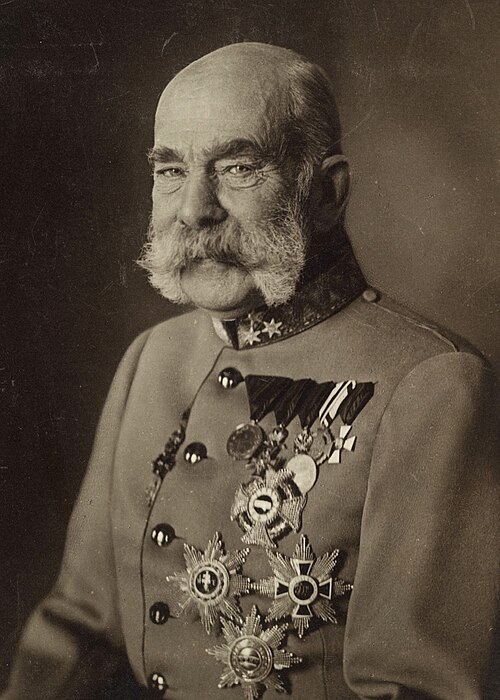
In a later historical instance of lay influence over Church affairs, the papal conclave of 1903 witnessed Austrian Emperor Franz Joseph exercising the “Jus Exclusivæ,” a veto power that allowed Catholic monarchs to block the election of certain papal candidates. Just before a final vote, Cardinal Rampolla, deemed too politically aligned with France, was prevented from ascending to the papacy due to Austria’s intervention. As a result, Cardinal Giuseppe Sarto was elected instead, taking the name Pius X, and subsequently he abolished the veto.
The diminishing role in the last two hundred years of lay influence in Church governance, which once served as a counterbalance to papal and episcopal power, came partly as a result of the trend towards democracy and the separation of Church and State across nations. Today, only a handful of remnants of lay influence persist in some German-speaking dioceses, where lay people have a small role in electing bishops. On the whole we are a Church where the Church hierarchy has had almost a full role in decision-taking.
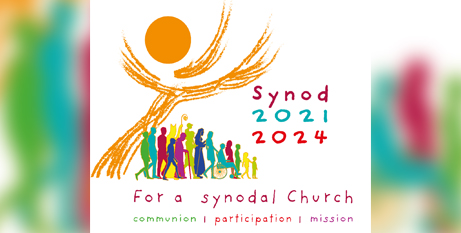
We might see the recent movement towards Synodality as a counterbalance in turn to this absolute power of popes, bishops and clergy within the Church. The power of the people, once held in the hands of noble and royalty, is being returned to the lay people and religious. This is a particular feature of the Final Document of the Synod, s77:
“The lay faithful, both men and women, should be given greater opportunities for participation, also exploring new forms of service and ministry in response to the pastoral needs of our time in a spirit of collaboration and differentiated co-responsibility. In particular, some concrete needs have emerged from the synodal process. These ought to be responded to according to the various contexts:
a) increased participation of laymen and laywomen in Church discernment processes and all phases of decision-making processes (drafting, making and confirming decisions);
b) greater access of laymen and laywomen to positions of responsibility in dioceses and ecclesiastical institutions, including seminaries, theological institutes and faculties, more fully enacting existing provisions;
c) greater recognition and support for the lives and charisms of consecrated men and women and their employment in positions of ecclesial responsibility;
d) a greater number of qualified lay people serving as judges in all canonical processes;
e) effective recognition of the dignity and respect for the rights of those who are employed in the Church and its institutions.”
In a Synodal Church, the Community of Disciples, made up of lay people, religious and priests and bishops, not only shares the Mission but also its decision-making. This means the drafting, making and confirming of decisions. The formal decision-taking is mostly retained by the ordained, again an attempt within the tradition to provide an appropriate sharing of power in the Church between the hierarchy and the vast number of lay people.
